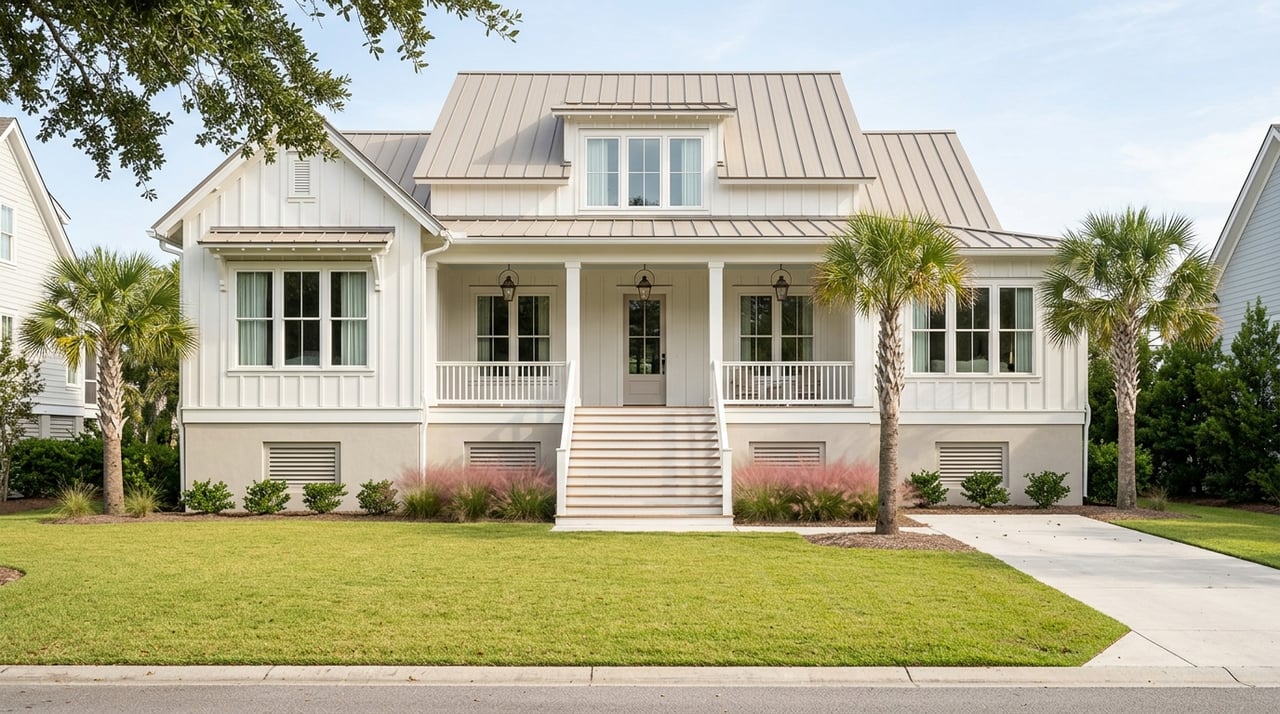
What Myrtle Beach Coastal Living Feels Like Year-Round
June 25, 2026
June 25, 2026
Are you dreaming about life near the ocean, but wondering what Myrtle Beach actually feels like when you live here full time? That question matters, especially if you are relocating, buying a second home, or trying to find a place that fits both your budget and your daily routine. Myrtle Beach offers more than vacation energy. It gives you a real year-round coastal lifestyle with public beach access, practical amenities, plenty of dining and golf, and a housing mix that works for many kinds of buyers. Let’s dive in.
Myrtle Beach is part of the Grand Strand, a coastal region made up of 14 communities stretching 60 miles. The area has about 398,000 residents, welcomes more than 17 million visitors each year, averages 73°F annually, and gets about 215 sunny days per year. That mix helps explain why so many people picture an easier, more outdoor-centered routine here.
At the same time, full-time living in Myrtle Beach is not the same as being on vacation. Redfin rates the city as minimally walkable, with a Walk Score of 43, so most errands still happen by car. For many residents, that means your day may include a beach stop in the morning, a drive to shopping or lunch, and then a quick run across town for the rest of your to-do list.
One of the biggest reasons Myrtle Beach stands out is that beach access is not limited to a small number of resort areas. Visit Myrtle Beach says the city has 114 public beach access points, and Horry County maintains more access points in Garden City, near Myrtle Beach State Park at Nash Street, and in Arcadian Shores. That makes regular beach time much more realistic if you live nearby.
For many buyers, this is what everyday coastal living really means. You are not planning your whole week around getting to the water. Instead, the beach can become part of your normal rhythm, whether that means a sunrise walk, an evening breeze after work, or a quiet off-season afternoon by the shore.
Accessibility matters too. The area offers accessible ramps and beach wheelchair options at many locations, which helps more people enjoy the coastline in a practical way. That is an important part of understanding how usable the beach can be beyond peak vacation season.
If you plan to spend time near the water often, it helps to know the beach is monitored. Visit Myrtle Beach says water testing happens twice a week during the summer. It also notes that rain-related advisories usually clear within 24 to 72 hours once bacteria levels return to normal.
That does not eliminate the need to check current conditions, but it does show that water quality is actively tracked. For year-round residents, that kind of routine oversight adds confidence to an everyday beach lifestyle.
Living in Myrtle Beach means your daily needs are often centered around a few major hubs. The Market Common is one of the best examples, with shops, restaurants, entertainment, apartments above retail, and nearby townhome and single-family communities. It gives many residents a convenient place to combine errands, dining, and downtime in one area.
Broadway at the Beach is another major destination. Visit Myrtle Beach describes it as the largest entertainment complex in South Carolina, covering more than 350 acres. Barefoot Landing and the Tanger outlet centers also add to the region’s shopping and casual outing options.
For a full-time resident, these places are not just visitor attractions. They often become part of the weekly routine, especially when you want practical convenience mixed with a little fun. That can be a big part of why Myrtle Beach appeals to both relocators and second-home buyers thinking about a future move.
Myrtle Beach does have public transportation, but most people still plan around driving. Coast RTA runs seven days a week, 362 days a year, with nine fixed routes serving Myrtle Beach, Conway, Surfside Beach, and Georgetown. That can be useful in certain situations, but the area remains largely car-oriented.
Road access is fairly straightforward. Harrelson Boulevard connects travelers to the airport, and oceanfront parking meters operate year-round. Major corridors include Kings Highway/17, the Bypass, Robert M. Grissom Parkway, and Carolina Bays Parkway.
For many buyers, this is an important lifestyle reality check. Myrtle Beach offers coastal ease, but not in a dense, highly walkable format. If you like the idea of driving to the beach, restaurants, golf, and shopping in a matter of minutes, the layout may feel simple and comfortable.
In Myrtle Beach, golf is not a side activity. It is part of the local identity. Visit Myrtle Beach calls the region the Golf Capital of the World and says there are more than 80 championship courses in the area.
Many of those courses are open to the public, and seasonal packages are common. That gives residents a lot of flexibility, whether you play often, want to live near a course, or simply like the open views and community design that golf-area properties can offer.
For buyers looking at Myrtle Beach real estate, golf matters in more than one way. It shapes lifestyle, influences housing choices, and helps define several of the area’s most recognizable residential pockets. If golf is part of how you want to spend your free time, Myrtle Beach gives you a lot of options.
The Grand Strand also stands out for dining. Visit Myrtle Beach says the area has thousands of restaurants, with options ranging from casual seafood and beach bites to waterfront and fine dining. That variety supports both everyday convenience and the feeling that you always have something new to try.
Waterfront dining is a major part of the experience. Across the area, you can find oceanfront, inlet, and pier-side settings, along with both relaxed and more upscale atmospheres. For full-time residents, that means dining out can feel easy and enjoyable without needing a special occasion.
This matters more than people sometimes expect. When you move to a coastal market, lifestyle is not only about the house. It is also about whether your day-to-day options make life feel lighter, more social, and more enjoyable.
Every lifestyle market has its tradeoffs, and in Myrtle Beach, traffic is one of the biggest. Visit Myrtle Beach says June through August, and sometimes into October, are the busiest travel months. It also notes that Highway 501 is one of the roads where traffic commonly builds during the summer season.
Alternate routes such as SC 31 and SC 22 can help, depending on where you are headed. In general, many residents learn to time cross-town trips carefully during peak visitor months. A quick errand in January may feel very different from the same errand in July.
The good news is that shoulder seasons are often calmer. For many full-time residents, that is part of the rhythm of living here. You enjoy the energy of a popular beach destination, but you also learn when the pace slows down and local routines feel easier.
Myrtle Beach has a broad housing mix, which is one reason it attracts everyone from first-time coastal buyers to retirees and second-home shoppers. Current pricing snapshots vary by source, but they generally point to a market with a wide range of options. Redfin shows a March 2026 median sale price of $270,000, Realtor.com lists a May 2026 median listing price of about $279,000, and Zillow’s home value index places the typical home value at $318,691.
These numbers measure different things, so they are most useful as directional reference points. Still, they help show that Myrtle Beach offers more than one entry point into coastal ownership. That can be encouraging if you are comparing it with other beach markets where pricing may feel less accessible.
Inventory variety is one of Myrtle Beach’s strengths. Redfin currently shows 1,837 condos for sale at a median listing price of $200,000, 244 townhouses at $346,000, and 658 single-story homes at $258,000. That spread reflects a market with meaningful choices for buyers who want different levels of maintenance, space, and price.
Condos can appeal to buyers who want a lower-maintenance property or a second home near the coast. Townhomes offer another low-maintenance option with more separation than many condo buildings. Single-story homes are also an important part of the market, which can matter if you are planning for long-term ease of living.
Myrtle Beach also includes upscale options for buyers seeking a different price point or setting. Redfin shows The Dunes at a median sale price of about $621,000 and Grande Dunes at about $1.365 million. These figures highlight the range available within the broader market.
That range is part of what makes Myrtle Beach so interesting. You can explore lower-cost condos, mid-range homes, golf-oriented properties, and higher-end communities without leaving the same coastal area.
If you are worried about needing to rush, current market conditions suggest a more measured pace. Redfin classifies Myrtle Beach as not very competitive, with homes averaging about 120 days on market and selling for about 95.8% of list price. For many buyers, that means careful comparison may matter more than trying to win a bidding war overnight.
That can be especially helpful if you are relocating from out of state or balancing lifestyle goals with budget. It creates more space to compare property types, think through location differences, and choose a home that fits how you want to live, not just what is available first.
The clearest picture of Myrtle Beach is this: beach access is public and widespread, shopping and dining are concentrated in practical hubs, golf is part of daily culture, and the main inconvenience is seasonal traffic. Add in warm weather, plenty of sunshine, and a wide housing mix, and you can see why so many people consider it for both primary and second-home living.
If you are exploring Myrtle Beach, it helps to look beyond the vacation image. The real question is how the area matches your routine, your priorities, and the type of property you want. When you approach the market that way, Myrtle Beach becomes easier to evaluate and much easier to picture as home.
If you want help comparing condos, golf properties, second homes, or full-time living options in Myrtle Beach, Natalie Rakoci offers thoughtful, research-driven guidance tailored to your goals.
Stay up to date on the latest real estate trends.

With deep market knowledge across North and South Carolina, Natalie Dawn Rakoci delivers a refined real estate experience built on trust, strategy, and results. Whether buying, selling, or investing, clients receive personalized guidance and expert representation every step of the way.
NATALIE DAWN RAKOCI
4705 Oleander Dr Ste C Myrtle Beach, SC 29577 MON - SUN 8:00 AM - 7:00 PM