Longs and Loris SC Living Beyond the Grand Strand
July 23, 2026
July 23, 2026
Wondering if you have to live in the heart of the Grand Strand to enjoy the coastal lifestyle? You are not alone. Many buyers want easier daily living, more space, and a little breathing room while still staying within reach of beach days and golf. If that sounds like you, Longs and Loris deserve a closer look. Let’s dive in.
Longs and Loris are inland Horry County communities that offer a different pace than the resort-focused coastal core. They are not beach towns, but they can make sense if you want access to the Grand Strand without living in the middle of it.
That distinction matters. Visit Myrtle Beach describes the Grand Strand as 60 miles of coastline across 14 communities, stretching from Little River to Georgetown. Myrtle Beach itself is a much more concentrated place, while Longs and Loris feel more spread out and less tourism-centered.
Longs and Loris may be grouped together by buyers searching beyond the beach, but they do not feel the same on the ground. Each offers a different kind of inland alternative.
Longs is an unincorporated Horry County community, not an incorporated town or city. Census data for the Longs census county subdivision shows about 9,523 residents across 87.5 square miles of land, which helps explain why it often feels more open and less centralized.
Instead of a traditional downtown, Longs functions more like a residential and county corridor area. That can appeal to buyers who want a quieter setting, larger parcels in some areas, or a mix of established homes and newer development along Highway 9.
Loris is a small incorporated city in Horry County with roughly 2,600 residents and a compact footprint of a little over 3 square miles. Compared with Longs, it has more of a defined town-center feel.
The city is known for its annual Bog-Off Festival and has roots in agriculture and railroad-era development. That local identity gives Loris a more traditional small-town character, rather than feeling like an extension of the beach market.
If your ideal day includes space at home and occasional trips to the beach or golf course, both communities can fit that vision. The Grand Strand area is heavily tied to beach recreation and golf, with Visit Myrtle Beach highlighting more than 80 championship golf courses and broader messaging around 90-plus golf courses.
That means you can live inland and still enjoy many of the lifestyle perks that draw people to this part of South Carolina. For some buyers, that balance is the sweet spot.
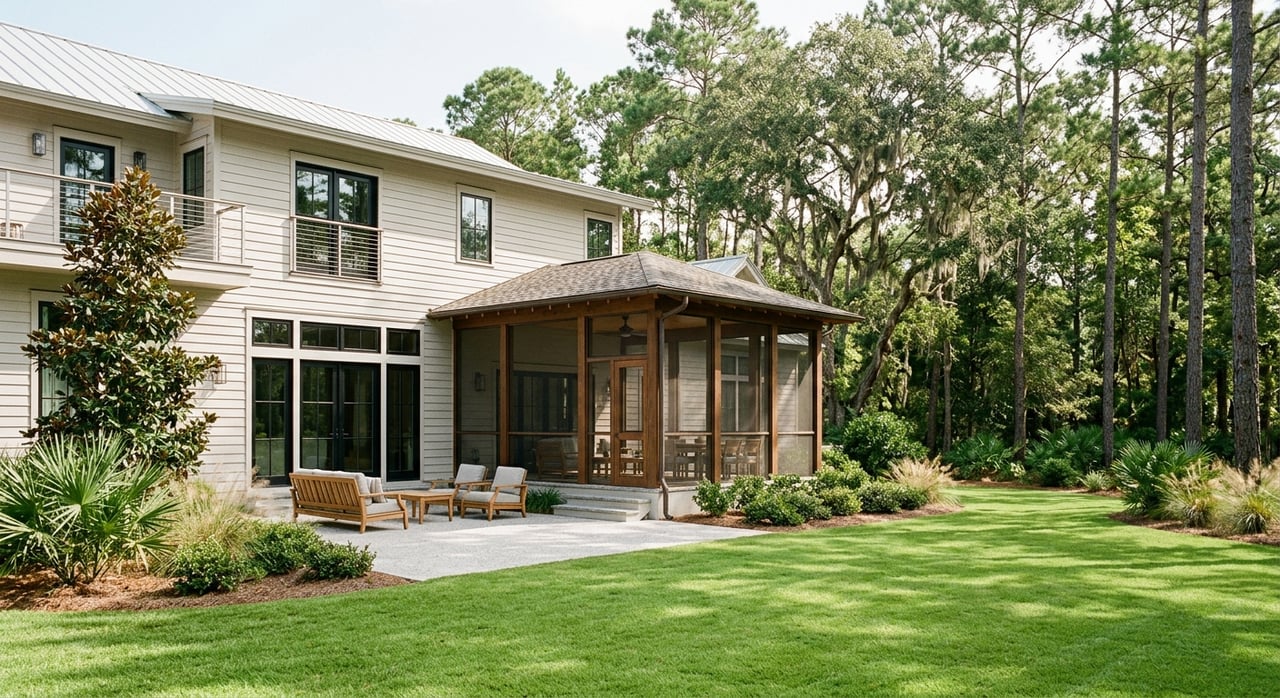
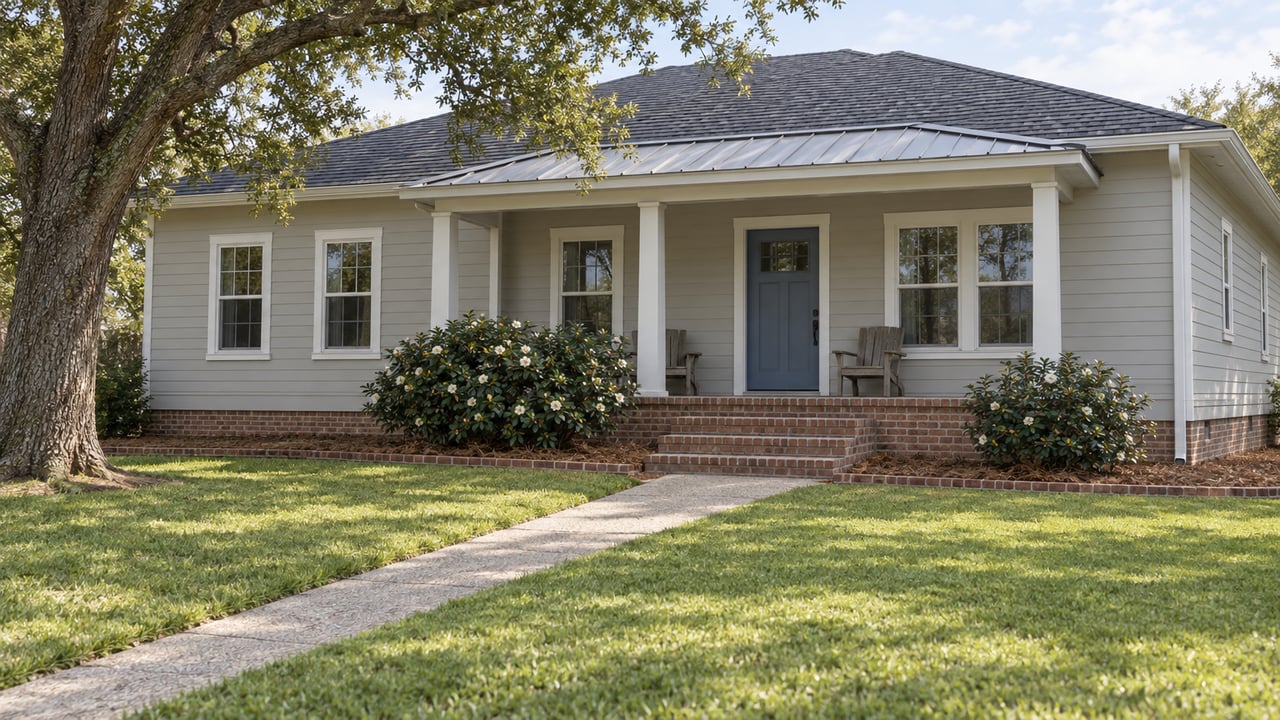
Longs can be a strong fit if you are comfortable in an unincorporated county setting. You may find a wider mix of property types, from more rural-feeling homesites to newer subdivision-style neighborhoods.
This setting can work well if you value elbow room, a lower-key daily routine, and the option to explore different lot sizes and housing styles. It is especially worth considering if living right by the beach is not your top priority.
Loris may be more appealing if you want a place with a clearer town identity. The downtown presence and local traditions create a different atmosphere from more spread-out residential areas.
For buyers who want a quieter pace but still like the idea of living in an incorporated city with its own local functions, Loris can be an appealing middle ground.
Horry County is growing. The Census Bureau’s 2025 estimate puts the county at 427,551 residents, and county leadership has said its long-term vision is to respect rural heritage while planning for future growth.
That is an important point if you are comparing Longs or Loris with more established coastal communities. These inland areas are not frozen in time, but they are also not simply copies of the beach market.
County materials suggest Longs is in a transition phase. Horry County reported drainage work in 2025 that strengthens a system serving roughly 750 acres in the Longs area, and county planning language references new development along the Highway 9 corridor between Loris and the Waccamaw River.
In practical terms, that can mean a mix of property options. You may see older rural parcels, larger lots, and newer neighborhood development in the same general area.
Loris carries more historical small-town identity, but it is still part of a growing county. Its incorporated structure means the city has its own planning and inspections functions, which can matter if you are thinking about future improvements, permits, or how development gets reviewed.
For some buyers, that structure feels more predictable than an unincorporated setting. For others, the county-based approach in Longs may offer the kind of environment they prefer.
One reason buyers look beyond the beach is space. In inland Horry County, zoning helps explain why some areas feel more open and why acreage can be part of the housing mix.
Horry County’s zoning ordinance includes agricultural districts designed for lower-density residential patterns. The Agricultural Estate District is intended for single-family, site-built residential development where farming activities are allowed, and the Agricultural Ranchettes District allows residential use on two acres or greater.
That does not mean every property in Longs or near Loris is rural acreage. It does mean buyers searching for larger lots, hobby-farm potential, or a more semi-rural setting are looking in the right general part of the county.
Choosing between Longs and Loris is not only about atmosphere. It also helps to understand how local governance works because that can affect permits, zoning, and the overall development pattern you experience.
Because Longs is unincorporated, Horry County rules apply there. That can shape everything from zoning oversight to how you think about future land use around a property.
Longs also has everyday county service coverage. Horry County Fire Rescue lists Station 13 in Longs at 801 Highway 9 West, which helps answer a common concern buyers sometimes have about quieter inland areas.
Loris has its own city planning and inspections functions. That can be useful context if you want a location with a more defined municipal structure.
When you compare homes, this difference can matter just as much as square footage or commute patterns. It is one more reason a neighborhood-level review is important before you make a decision.
Longs and Loris can be great alternatives for the right buyer, but they are not one-size-fits-all choices. A little extra due diligence can go a long way.
Here are a few smart questions to ask as you narrow your options:
Flood and drainage are especially important to review in this part of Horry County. The county’s resiliency report identified Longs as one of the unincorporated communities used to study flooding impacts, and county drainage upgrades in the area reinforce why this should be part of your property review.
Longs and Loris are often strongest for buyers who want more space and a calmer daily rhythm while staying connected to the broader coastal lifestyle. That can include relocators, downsizers, second-home buyers, or local residents ready for a change in pace.
Longs may be the better fit if you want flexibility, larger-lot possibilities, or a county setting that feels less centered around a downtown. Loris may be the better fit if you want a small-town atmosphere with a more clearly defined center and local identity.
If you are comparing inland Horry County with the beach cities, the real question is not which option is better across the board. It is which option fits how you want to live.
If you want help comparing Longs, Loris, and other Grand Strand alternatives based on your lifestyle, budget, and property goals, Natalie Rakoci is here to help you sort through the details with clear, local guidance.
Stay up to date on the latest real estate trends.

With deep market knowledge across North and South Carolina, Natalie Dawn Rakoci delivers a refined real estate experience built on trust, strategy, and results. Whether buying, selling, or investing, clients receive personalized guidance and expert representation every step of the way.
NATALIE DAWN RAKOCI
4705 Oleander Dr Ste C Myrtle Beach, SC 29577 MON - SUN 8:00 AM - 7:00 PM