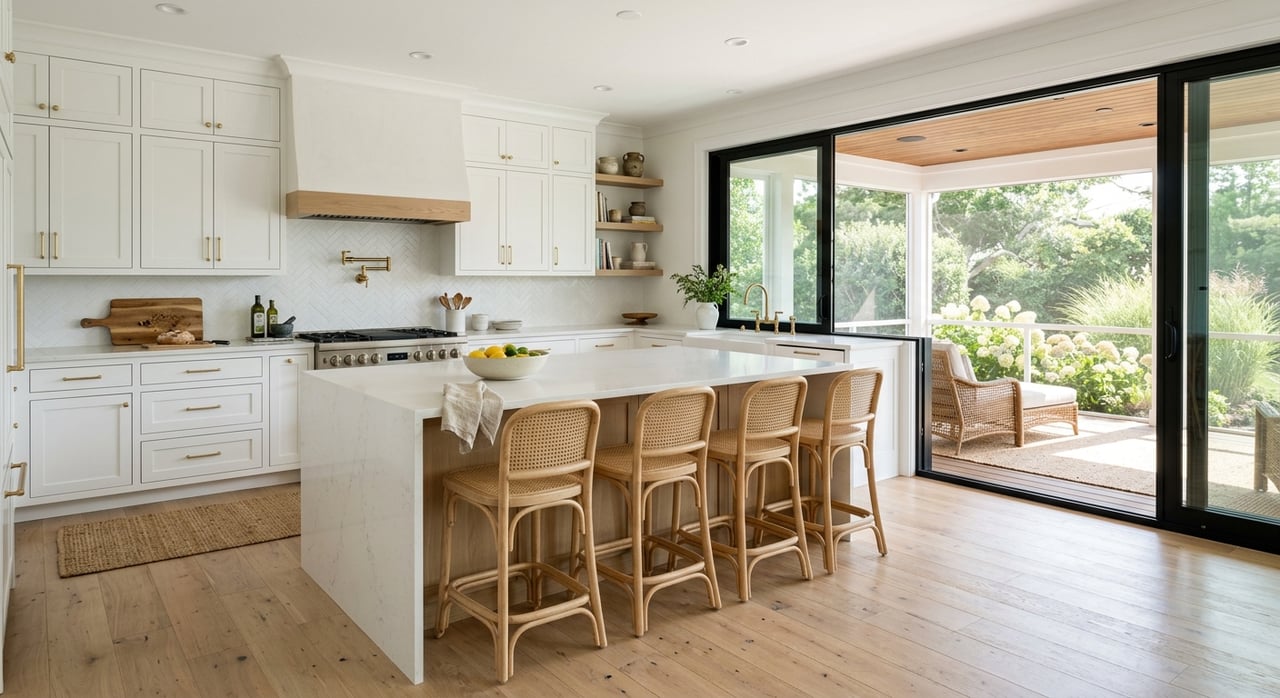
Conway SC New Construction Homes or Resale?
July 16, 2026
July 16, 2026
Trying to choose between a brand-new home and an older one in Conway? You are not alone. Many buyers moving to Conway or relocating within the Grand Strand area want the same thing: the right balance of space, convenience, maintenance, and long-term comfort. This guide will help you compare Conway new construction and resale homes so you can make a smart decision with more confidence. Let’s dive in.
Conway stands out because it gives you access to both established residential areas and newer growth corridors. City planning documents describe older neighborhoods north of downtown and newer development patterns to the south and east. For you as a buyer, that often means resale homes may feel more established, while new construction tends to be found in newer subdivision settings near major roads.
That mix is part of Conway’s appeal. You can find homes near the historic downtown and Waccamaw River, or you can look at newer communities designed around amenities, convenience, and lower-maintenance living. If you want more house while staying within reach of Myrtle Beach or North Myrtle Beach, Conway often becomes a practical middle ground.
Conway’s new construction market is not just one type of product. Current communities include single-family homes, townhomes, larger homesites, and low-maintenance options. That variety matters because it means “new construction” in Conway can fit very different goals.
Some communities focus on space and private homesites. Others are designed for easier upkeep or quick access to downtown Conway, Coastal Carolina University, Highway 501, Highway 22, or the beach areas. Instead of thinking of new construction as one category, it helps to compare each community based on how you want to live.
A few current examples show how varied the market can be:
These examples show why new construction can appeal to buyers who want a more predictable home condition, newer systems, and features that match current lifestyle preferences.
Resale homes in Conway often attract buyers who want a more established setting. The older housing stock is commonly concentrated closer to downtown, the riverfront area, and historic districts. Those areas may include older street grids, historic structures, and mature tree canopy.
That does not mean every resale home is old or every lot is small. It does mean resale options can offer a different feel from the newer subdivision corridors. If you value a more settled streetscape, mature landscaping, or proximity to Conway’s historic core, resale may be worth a closer look.
One of the biggest mistakes buyers make is assuming all new homes come with tiny lots or all resale homes come with more yard. In Conway, lot size depends on the specific community or property. Some new communities offer private backyards or oversized homesites, while others focus on townhome living or lower yard maintenance.
If you want less exterior upkeep, communities like Collins Walk and Copper Pointe may line up better with your goals. If you want more private outdoor space, options like Meadows Edge or Ambridge may deserve your attention. The key is to compare actual lot layout, HOA responsibilities, and yard-care expectations instead of relying on broad assumptions.
For many buyers, Conway works because it offers a different tradeoff than the most beach-adjacent towns. You may be able to get more space while still keeping the beach, shopping, schools, or work routes within reasonable reach. That can be especially appealing if you are relocating from out of state or trying to stretch your budget without giving up coastal access.
Several current communities are marketed around that convenience. Meadows Edge is positioned near Coastal Carolina University and less than 9 miles from Myrtle Beach. Fieldview is placed near downtown Conway and Riverfront Park with Highway 22 access, while Copper Pointe is marketed as convenient to North Myrtle Beach and the wider Grand Strand.
The practical question for you is simple: do you want to live as close to the coast as possible, or do you want more house and breathing room while still staying connected to the coast? Conway often serves buyers well when the answer is the second one.
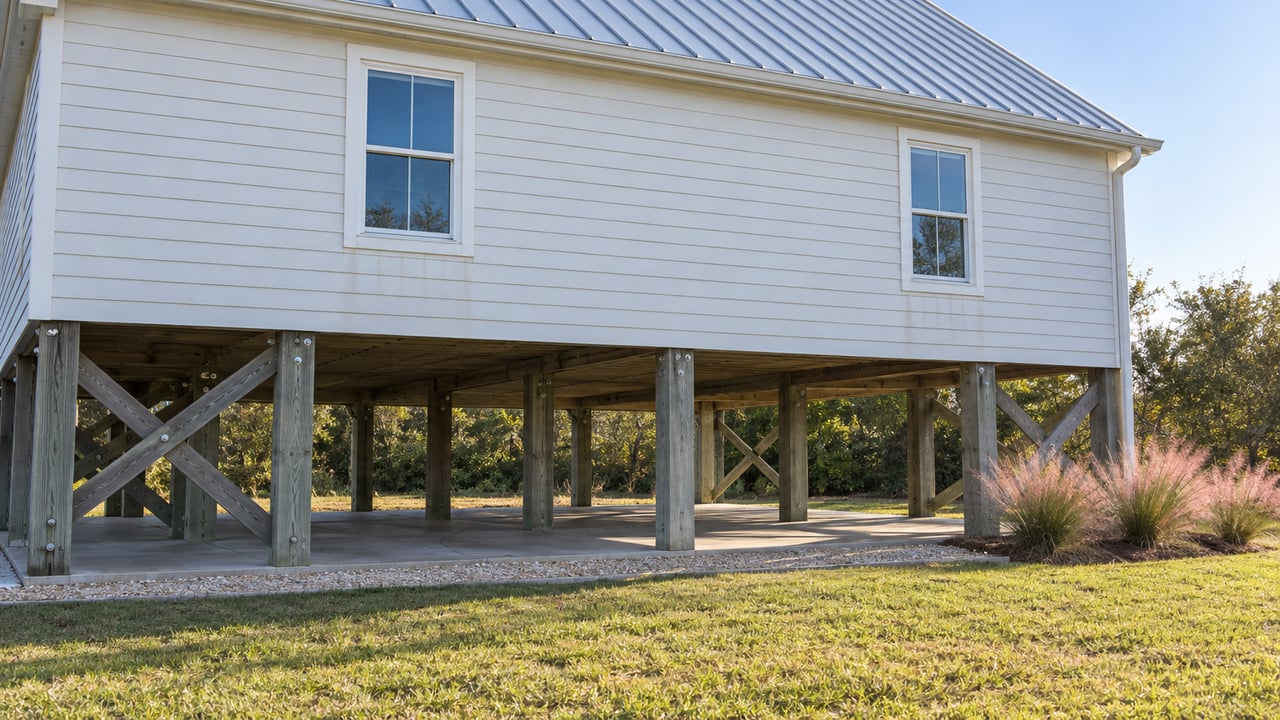
Flood risk should never be treated as a simple citywide label. In Conway, as in other nearby markets, flood and insurance questions need to be evaluated by address. Horry County publishes FEMA flood maps, and the county notes that residential buildings in the 100-year floodplain require additional permit information.
That means whether you are buying new construction or resale, you should review the specific parcel carefully. A home’s location, flood zone, and insurance needs can affect both your costs and your comfort level. This is one area where careful due diligence matters more than broad assumptions about Conway as a whole.
If speed is your top priority, resale often has an advantage because the home already exists. Even then, you still need to move through inspection, underwriting, title, insurance, and closing steps. Faster does not always mean simple, but resale may offer a shorter path in many cases.
With new construction, timing depends a lot on the stage of the home. Some builders offer quick move-in homes, while a build-from-scratch timeline may take about 4 to 6 months. Horry County also notes that residential permit review can take 5 to 7 days, with extra review information needed for floodplain properties.
If you are planning a move around a lease ending, retirement date, or another home sale, timeline flexibility should be part of your decision early on.
A new construction contract is usually more detailed than a standard resale offer. Builder agreements can include the homesite number, elevation plan, earnest money, financing timeline, final walkthrough details, limited warranty language, HOA documents, and an estimated closing date rather than a guaranteed one.
South Carolina also treats new homes differently when it comes to disclosures. The first sale of a dwelling that has never been inhabited is exempt from the residential property condition disclosure statement. That is one reason a new construction transaction often feels different from buying an existing home from an individual seller.
With resale in South Carolina, the owner generally must provide the residential property condition disclosure statement before the contract is signed, unless the transfer is exempt. Even so, the law still places responsibility on you to inspect the property.
Some buyers assume a brand-new home does not need an inspection. That is not the safest approach. Even with new construction, you should still consider an independent inspection as early as possible, and builders commonly provide a pre-closing walkthrough to identify defects or incomplete items.
With resale homes, inspections are often a larger part of the negotiation process. Depending on your contract terms and the inspection findings, you may be able to request repairs, ask for credits, or cancel if the inspection contingency allows it. A final walkthrough before closing also matters so you can confirm the home’s condition and any agreed work.
One of the clearest benefits of buying new is the presence of builder warranty coverage. Builders commonly describe coverage in a structure such as 1-year workmanship, 2-year systems, and 10-year structural framework. That can give you more clarity about what support may be available after closing.
It is important to understand that builder warranties are not the same as optional home warranties or service contracts. Those are separate products and may cost extra. If you are comparing new construction with resale, this is a meaningful difference because a resale purchase does not automatically come with the same warranty protection.
New construction may be the better fit if you want newer systems, a more predictable finish level, builder warranty support, and a community with modern amenities or lower-maintenance options. It can also work well if you do not mind a builder process and your move timeline has some flexibility.
Resale may be the better fit if you want an established setting, mature landscaping, possible proximity to Conway’s historic core, or a potentially faster closing path. It may also give you a wider range of home styles and street settings.
The right answer is not about which option is “better” in general. It is about which one fits your lifestyle, budget, timing, and comfort with the transaction process.
If you are deciding between new construction and resale in Conway, keep your comparison focused on the things that will affect your daily life the most:
When you compare homes this way, the decision usually becomes much clearer. Instead of choosing between two labels, you are choosing the home and process that best support your next chapter.
If you want clear, local guidance as you compare Conway neighborhoods, builders, and resale opportunities, Natalie Rakoci can help you sort through the details and move forward with confidence.
Stay up to date on the latest real estate trends.

With deep market knowledge across North and South Carolina, Natalie Dawn Rakoci delivers a refined real estate experience built on trust, strategy, and results. Whether buying, selling, or investing, clients receive personalized guidance and expert representation every step of the way.
NATALIE DAWN RAKOCI
4705 Oleander Dr Ste C Myrtle Beach, SC 29577 MON - SUN 8:00 AM - 7:00 PM